
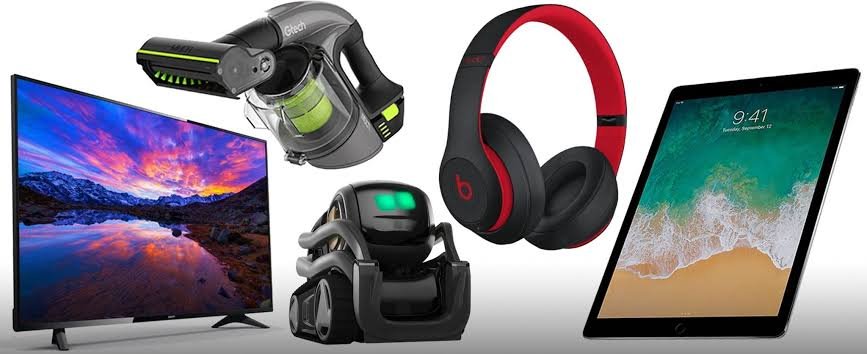
Technology has become a major part of everyday life. From smartphones and laptops to wireless earbuds, smartwatches, tablets, cameras, and smart home devices, there are more gadgets available today than ever before. While having so many choices is exciting, it can also make buying the right product surprisingly difficult.
This is where gadget reviews become useful. A good review does more than list specifications or repeat what a manufacturer says about a product. It helps you understand how a gadget performs in real-world situations, what it does well, where it falls short, and whether it is actually worth your money.
Whether you are planning to buy a new phone, upgrade your laptop, or simply want to keep up with the latest technology, learning how to read and understand gadget reviews can help you make smarter purchasing decisions.
What Are Gadget Reviews?
Gadget reviews are detailed evaluations of electronic devices and technology products. They usually cover important areas such as design, performance, features, battery life, usability, durability, price, and overall value.
A professional review may involve using a product for several days or even weeks before reaching a conclusion. This gives the reviewer an opportunity to see how the device performs outside of controlled demonstrations.
For example, a smartphone may have an impressive processor and a high-resolution camera on paper. However, a detailed review can reveal whether the phone actually takes good photos in low light, whether its battery lasts through a busy day, or whether the device becomes uncomfortable to hold after extended use.
In other words, gadget reviews turn technical information into practical advice.
Why Gadget Reviews Matter
Buying technology can be expensive, especially when you are considering premium devices. A product may look attractive in advertisements, but advertising rarely tells you everything you need to know.
Gadget reviews can help you identify both strengths and weaknesses before spending your money.
One of the biggest benefits is that reviews can save you from buying a product that does not match your needs. A laptop designed for gaming, for instance, may be powerful but too heavy for someone who travels frequently. Similarly, an affordable smartphone may offer excellent battery life but lack some advanced camera features.
Reviews allow you to look beyond marketing claims and focus on actual everyday performance.
They can also help you compare competing products. Instead of looking at dozens of specification sheets, you can learn how two or three devices differ in areas that matter to real users.
What Should You Look for in a Gadget Review?
Not every review provides the same level of useful information. When reading gadget reviews, pay attention to several important factors.
Design and Build Quality
The first thing many users notice about a gadget is its physical design. A review should explain whether the device feels premium, lightweight, sturdy, comfortable, or cheaply built.
For portable devices, size and weight can be especially important. A large tablet might be excellent for watching movies but inconvenient to carry around all day.
Build quality also matters because a beautiful device is not very useful if it feels fragile or poorly constructed.
Performance
Performance is one of the most important parts of any technology review. Depending on the product, reviewers may test processing speed, multitasking, gaming, app performance, connection stability, or overall responsiveness.
However, benchmark numbers should not be the only thing you consider. A device with slightly lower benchmark scores may provide a smoother experience in everyday use.
The best reviews explain what performance actually feels like rather than simply presenting technical numbers.
Battery Life
Battery life can make or break the experience of using a mobile gadget. Manufacturers often provide estimated battery figures, but real-world usage can be very different.
A useful review should explain how long the device lasts during activities such as video streaming, gaming, web browsing, photography, or general daily use.
Charging speed is also worth considering. A device that lasts all day is convenient, but fast charging can be equally valuable when you need a quick power boost.
Camera Quality
For smartphones and cameras, image quality deserves special attention. A strong review should discuss more than megapixel counts.
Photos taken in daylight may look excellent, while low-light results could be disappointing. Video stabilization, autofocus, color accuracy, portrait photography, and zoom quality can also affect the overall camera experience.
Sample photos and real-world testing often provide more useful information than specifications alone.
Software and User Experience
Hardware is only one part of a modern gadget. Software can have a major impact on how enjoyable a device is to use.
Reviews should discuss the operating system, interface, available features, updates, built-in applications, and overall ease of use.
A powerful device with confusing software may not be the best choice for everyone. On the other hand, a simpler gadget with well-designed software can provide a much better experience.
Price and Value
Price is another major factor when evaluating technology. The most expensive gadget is not automatically the best one.
A good review considers what you receive for the money. It may compare the product with similar devices in the same price range and explain whether the additional cost is justified.
For example, spending more on a premium smartphone may make sense if you need a better camera, longer software support, or stronger performance. But if you mainly use your phone for messaging, social media, and browsing, an affordable model could offer much better value.
The key question is not simply, “Is this gadget good?” Instead, ask, “Is this gadget good for its price and for my needs?”
Gadget Reviews and Real-World Testing
One reason detailed gadget reviews are valuable is real-world testing. Specifications can tell you what a product is supposed to do, but hands-on use tells you what it is actually like.
A reviewer might discover that a pair of wireless earbuds has excellent sound quality but becomes uncomfortable after an hour. A smartwatch might have a beautiful display but require frequent charging. A laptop could offer outstanding performance but become noisy under heavy workloads.
These details are difficult to understand from a product page alone.
Real-world testing provides context and helps readers imagine what using the gadget every day would actually be like.
How to Compare Different Gadgets
When comparing gadgets, avoid focusing on just one specification. Instead, create a list of features that matter most to you.
If you are buying a smartphone, you might prioritize battery life, camera quality, display, performance, and software updates. For a laptop, you may care more about processor performance, keyboard quality, screen, portability, and battery life.
Once you know your priorities, gadget reviews become much easier to understand.
You should also consider your budget. Setting a realistic spending limit before shopping can prevent you from paying extra for features you may never use.
Are Online Gadget Reviews Always Reliable?
Not necessarily. Just because something is called a review does not mean it is completely unbiased.
Some websites may receive products from manufacturers. Others may earn money through affiliate links or advertising. These business relationships do not automatically make a review unreliable, but readers should be aware of them.
Look for reviews that explain both the positive and negative aspects of a product. Be cautious when a review sounds like nothing more than an advertisement.
It is also useful to read several reviews from different sources. If multiple independent reviewers reach similar conclusions, you can have greater confidence in the information.
User reviews can also provide helpful insights, particularly about long-term reliability and common problems. However, individual experiences can vary, so they should be considered alongside professional reviews rather than treated as absolute proof.
The Future of Gadget Reviews
Technology continues to evolve rapidly, and gadget reviews are changing with it. Artificial intelligence, wearable technology, smart home products, foldable devices, and connected appliances are becoming increasingly common.
Future reviews will likely focus not only on hardware but also on privacy, security, artificial intelligence features, software support, repairability, and long-term sustainability.
As gadgets become more connected, understanding how they collect and use personal information will become increasingly important. Consumers will need reviews that explain not just what a device can do, but also what happens to their data when they use it.
Frequently Asked Questions
1. What are gadget reviews?
Gadget reviews are evaluations of electronic products such as smartphones, laptops, tablets, smartwatches, headphones, cameras, and other technology devices. They typically discuss performance, design, features, battery life, usability, price, and overall value.
2. Why should I read gadget reviews before buying a product?
Reading reviews can help you understand how a gadget performs in real-world situations. Reviews may reveal advantages, limitations, common issues, and whether the product offers good value for its price.
3. What makes a gadget review trustworthy?
A trustworthy review usually provides balanced information, discusses both strengths and weaknesses, explains testing methods, and avoids making exaggerated claims. Reading multiple independent reviews can also help you form a more accurate opinion.
4. Should I trust user reviews?
User reviews can be helpful because they often describe long-term experiences with a product. However, individual opinions can be subjective. It is best to combine user feedback with detailed professional reviews and your own requirements.
5. Are expensive gadgets always better?
No. A more expensive gadget may offer premium materials or advanced features, but that does not mean it is the best choice for everyone. The right product depends on your needs, usage habits, and budget.
6. Which features are most important when choosing a gadget?
The most important features depend on the type of device. For smartphones, battery life, camera quality, display, performance, and software support may matter most. For laptops, performance, portability, screen quality, keyboard, and battery life are often important.
7. How many gadget reviews should I read before buying?
There is no fixed number, but reading three to five detailed reviews from different sources can give you a balanced understanding of a product. Pay attention to points that appear consistently across multiple reviews.
8. Can gadget reviews help me save money?
Yes. Reviews can prevent you from purchasing a device that does not meet your needs. They can also help you discover less expensive alternatives that provide similar features and better value.
Final Thoughts
Gadget reviews are an important resource for anyone who wants to make informed technology purchases. They provide a bridge between technical specifications and real-world experience.
A good review looks at design, performance, battery life, features, software, usability, price, and long-term value. More importantly, it explains whether a product makes sense for a particular type of user.
Before purchasing your next gadget, take some time to read several detailed reviews and compare the information with your own needs. Do not simply choose the device with the biggest numbers or the highest price.
The best gadget is the one that fits your lifestyle, budget, and expectations. With careful research and reliable gadget reviews, you can avoid unnecessary purchases and find technology that genuinely makes your daily life easier.