
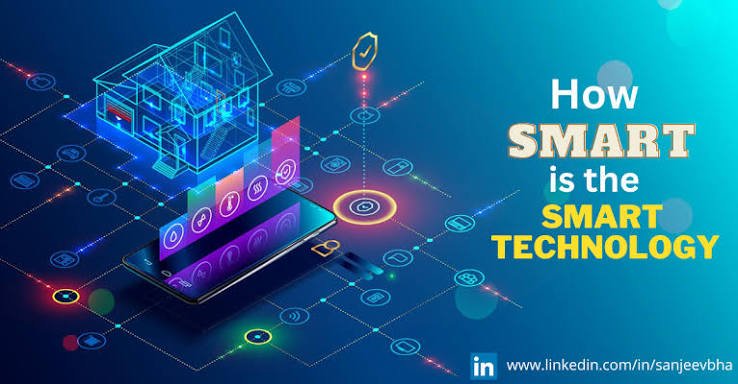
Smart technology has become an important part of modern life. From smartphones and smart TVs to connected homes, wearable devices, and intelligent cars, technology is becoming more capable of understanding our needs and responding to them. What once seemed like science fiction is now available in homes, offices, schools, hospitals, and almost every other part of society.
The idea behind smart technology is simple: devices are designed to collect information, process it, and use that information to perform tasks more efficiently. Many smart devices can also communicate with other devices through the internet or wireless networks. This creates connected systems that can make everyday activities faster, easier, and more convenient.
As technology continues to develop, smart solutions are becoming more affordable and accessible. Understanding how smart technology works and how it affects daily life can help people make better decisions about the devices and services they use.
What Is Smart Technology?
Smart technology refers to electronic devices and systems that can perform tasks with a certain level of intelligence, automation, or connectivity. These devices often use sensors, software, artificial intelligence, machine learning, and internet connectivity to respond to users or changing conditions.
A traditional light, for example, simply turns on when someone flips a switch. A smart light can do much more. It may detect movement, adjust brightness, follow a schedule, or be controlled through a smartphone. Some smart lights can even work with other devices in a home to create automated routines.
Smart technology is not limited to household products. It is also used in transportation, healthcare, agriculture, manufacturing, education, and business. Its main purpose is generally to improve efficiency, convenience, safety, and decision-making.
How Smart Technology Works
Smart technology usually combines several technologies to perform its functions. Sensors are one of the most important components. They collect information about the environment, such as temperature, movement, light, location, or sound.
The collected information is then processed by software or a connected system. Depending on the device, this processing may happen locally or through cloud-based services. The system can analyze the information and decide what action should be taken.
For example, a smart thermostat can monitor the temperature inside a home. It may learn when people usually arrive home and automatically adjust the temperature around that time. A smart security camera can detect movement and send an alert to the homeowner’s phone.
Artificial intelligence and machine learning can make these systems even more useful. Instead of simply following fixed instructions, some smart devices can identify patterns and improve their behavior based on previous information.
Smart Technology in the Home
The smart home is one of the most visible examples of how technology is changing everyday life. People can now connect lighting, security systems, thermostats, appliances, entertainment devices, and other household products.
Smart speakers and voice assistants allow users to control certain devices using spoken commands. A person might ask an assistant to play music, set a reminder, check the weather, or control compatible lights.
Smart security systems can provide another layer of convenience and protection. Doorbells with cameras, smart locks, motion sensors, and connected alarms can allow homeowners to monitor their property remotely.
Energy management is another major benefit. Smart thermostats and energy-monitoring devices can help households understand how much electricity they use. Automated systems may reduce energy consumption by turning off lights or adjusting heating and cooling when they are not needed.
However, having more connected devices also requires careful management. Users should choose reliable products, update their software regularly, and use strong passwords to reduce potential security risks.
Smart Technology in Healthcare
Healthcare is another field where smart technology is making a significant difference. Wearable devices can monitor information such as heart rate, physical activity, sleep patterns, and other health-related measurements.
These devices can help individuals become more aware of their daily habits. For example, a fitness tracker may encourage someone to walk more often or maintain a regular exercise routine.
Smart technology can also support healthcare professionals. Connected medical equipment can collect patient information and make it available to authorized healthcare workers. In some situations, remote monitoring can help doctors keep track of patients without requiring them to visit a medical facility for every check.
Telemedicine and connected health platforms have also expanded access to healthcare services. Patients can communicate with healthcare professionals through digital platforms, which can be particularly useful for people who live far from medical centers.
It is important to remember, however, that smart health devices are not always a replacement for professional medical advice. Their information should be considered a useful tool rather than an automatic diagnosis.
Smart Technology in Transportation
Transportation is changing rapidly because of connected and intelligent technologies. Modern vehicles can include navigation systems, parking assistance, collision warnings, adaptive cruise control, and other automated features.
Smart transportation systems are also being used in cities. Traffic signals can be connected to monitoring systems that analyze traffic conditions and help manage congestion. Public transportation networks can use real-time information to provide passengers with updates about routes and schedules.
Electric vehicles are another important part of this technological transformation. Many electric cars can connect to mobile applications, allowing owners to check battery levels, charging status, and vehicle information remotely.
Although fully autonomous transportation is still developing, smart features are already helping drivers improve convenience and safety. As these systems become more advanced, transportation could become increasingly connected and automated.
Smart Technology in Business
Businesses use smart technology to improve productivity, customer service, and decision-making. Connected systems can collect large amounts of information and help organizations understand how their operations are performing.
For example, retailers can use technology to monitor inventory and identify products that need to be restocked. Factories can use connected machines to monitor equipment and identify potential problems before a major breakdown occurs.
Artificial intelligence can also help businesses analyze customer behavior, automate repetitive tasks, and provide personalized services. Chatbots, for instance, can answer common customer questions at any time of the day.
The goal is not always to replace human workers. In many cases, smart technology is used to handle repetitive or time-consuming tasks so employees can focus on activities that require creativity, communication, and judgment.
Benefits of Smart Technology
One of the biggest advantages of smart technology is convenience. Tasks that once required several manual steps can often be completed automatically or controlled from a single device.
Efficiency is another major benefit. Smart systems can analyze information quickly and make adjustments that may save time, energy, or resources.
Smart technology can also improve safety. Connected security systems can notify users about unusual activity, while intelligent vehicle features can warn drivers about potential hazards.
Accessibility is another important advantage. Voice controls, automated systems, and connected devices can make everyday tasks easier for older adults and people with certain disabilities.
In addition, smart technology can provide useful information. Data collected by devices can help people understand their habits and make more informed choices about energy use, fitness, transportation, and other areas of life.
Challenges and Concerns
Despite its many advantages, smart technology also creates challenges. Privacy is one of the most important concerns because connected devices can collect significant amounts of personal information.
Security is another issue. Any device connected to the internet may become a target for cyberattacks if it is not properly protected. Weak passwords, outdated software, and poorly secured networks can increase the risk.
Another concern is compatibility. Not every smart device works with every platform or ecosystem. Consumers may sometimes need to purchase products from the same technology family to ensure that everything works together.
Cost can also be a barrier. Although prices have decreased for many smart products, advanced systems can still be expensive. There may also be ongoing costs for subscriptions, maintenance, or replacement parts.
Finally, people should avoid becoming overly dependent on technology. Smart devices are tools, and they should make life easier rather than create unnecessary complexity.
The Future of Smart Technology
The future of smart technology is likely to focus on greater automation, better connectivity, and more personalized experiences. Artificial intelligence will continue to play an important role in helping devices understand information and respond to changing situations.
Homes may become more integrated, with appliances and systems communicating with one another automatically. Cities could use connected infrastructure to manage traffic, energy, waste, and public services more efficiently.
Healthcare may also become increasingly personalized as wearable devices and digital systems provide more information about individual health patterns.
At the same time, responsible development will be essential. Companies and consumers will need to pay close attention to privacy, cybersecurity, transparency, and responsible use of artificial intelligence.
The most useful smart technology will probably not be the technology that simply adds more features. Instead, it will be technology that solves real problems without making everyday life unnecessarily complicated.
Frequently Asked Questions (FAQs)
1. What is smart technology?
Smart technology refers to devices and systems that use sensors, software, connectivity, artificial intelligence, or automation to perform tasks intelligently. Examples include smart phones, smart watches, smart thermostats, connected security cameras, and intelligent vehicles.
2. What are the main benefits of smart technology?
The main benefits include convenience, automation, improved efficiency, better monitoring, increased accessibility, and potentially greater safety. Smart devices can also provide useful information that helps people make better decisions.
3. Is smart technology safe to use?
Smart technology can be safe when devices are properly secured and maintained. Users should create strong passwords, install software updates, use secure networks, and review privacy settings. Buying products from reputable manufacturers can also reduce potential risks.
4. Can smart technology save energy?
Yes, many smart devices can help reduce energy consumption. Smart thermostats, lighting systems, and energy-monitoring devices can automatically adjust usage based on schedules, activity, or changing conditions. However, the actual savings depend on how the devices are configured and used.
5. What will smart technology look like in the future?
Future smart technology is expected to become more connected, automated, and personalized. Artificial intelligence may allow devices to understand users and environments more effectively. Smart homes, transportation, healthcare, and workplaces are likely to become increasingly integrated.
Conclusion
Smart technology is changing the way people live, work, communicate, and manage everyday tasks. From connected homes and wearable devices to intelligent transportation and business automation, its influence can be seen across many areas of modern society.
The benefits are clear: greater convenience, improved efficiency, better access to information, and new opportunities for automation. At the same time, users need to consider privacy, security, cost, and dependence on connected systems.
As smart technology continues to evolve, the focus should remain on creating practical solutions that genuinely improve people’s lives. When used responsibly, intelligent and connected technology can become a valuable part of a more convenient, efficient, and connected future.