
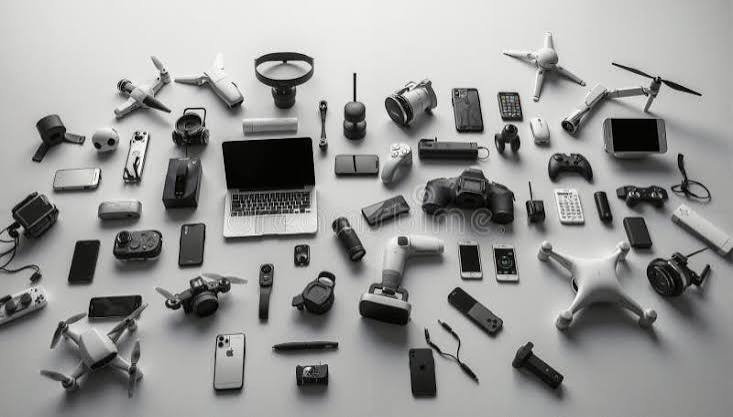
Technology has become an essential part of everyday life. From the moment we wake up to the time we go to bed, we interact with different devices that make our routines easier, faster, and more connected. Modern gadgets have changed the way we communicate, work, travel, exercise, entertain ourselves, and even manage our homes.
A few decades ago, many of the devices we use today would have seemed like something from a science-fiction movie. Smartphones can now replace cameras, maps, calendars, music players, and even wallets. Smartwatches can monitor health information, while smart home devices can control lights, thermostats, and security systems with simple voice commands.
The rapid development of technology means that new gadgets are constantly appearing on the market. While some are designed mainly for entertainment, others solve practical problems and improve productivity. Understanding these devices can help consumers choose technology that genuinely adds value to their lives.
What Are Modern Gadgets?
Modern gadgets are electronic or technological devices designed to perform specific tasks, improve convenience, or provide entertainment. They range from small everyday accessories to sophisticated smart devices that use artificial intelligence, wireless connectivity, and advanced sensors.
Common examples include smartphones, wireless earbuds, smartwatches, tablets, smart speakers, fitness trackers, portable chargers, smart home cameras, and virtual reality headsets.
One of the most important characteristics of modern technology is connectivity. Many devices can communicate with each other through Wi-Fi, Bluetooth, mobile networks, or other wireless technologies. This creates an ecosystem in which several gadgets can work together instead of functioning as separate devices.
For example, a smartwatch can receive notifications from a smartphone, while a smart speaker can communicate with lights, cameras, and other connected appliances in a home.
Smartphones: The Most Essential Everyday Gadget
The smartphone is arguably the most influential gadget of the modern era. What began primarily as a communication device has evolved into a powerful computer that fits inside a pocket.
Modern smartphones allow users to make calls, send messages, browse the internet, take high-quality photographs, record videos, attend online meetings, navigate unfamiliar locations, shop online, manage finances, and access countless applications.
Camera technology has also improved dramatically. Many smartphones now offer multiple lenses, advanced image processing, night photography, portrait modes, and high-resolution video recording. As a result, people can capture professional-looking images without carrying a separate camera.
Another major advantage is mobile payment technology. Smartphones can store digital payment cards and allow users to make purchases quickly and securely at compatible stores.
Smartwatches and Fitness Trackers
Wearable technology has become increasingly popular among people who want to monitor their health, fitness, and daily activities.
Smartwatches can display notifications, answer calls, control music, provide navigation, and track physical activity. Depending on the model, they may also monitor heart rate, sleep patterns, blood oxygen levels, workouts, and other health-related measurements.
Fitness trackers are usually more focused on activity and wellness. They can count steps, estimate calories burned, monitor exercise sessions, and encourage users to remain active throughout the day.
These devices can be particularly useful for people who enjoy setting fitness goals. Instead of relying entirely on memory, users can review their activity patterns and make informed decisions about their routines.
However, health-related information from consumer gadgets should not automatically be treated as a medical diagnosis. Anyone with health concerns should consult an appropriately qualified healthcare professional.
Wireless Earbuds and Portable Audio
Wireless earbuds have transformed the way people listen to music, podcasts, audiobooks, and other digital content. Without traditional cables, users can enjoy greater freedom while commuting, exercising, working, or relaxing.
Many modern earbuds include features such as active noise cancellation, transparency modes, touch controls, built-in microphones, and automatic device switching.
Noise cancellation can be especially useful in busy environments. It can reduce unwanted background sounds and make it easier to concentrate on audio content. Meanwhile, transparency modes allow users to hear surrounding sounds without completely removing their earbuds.
Battery life has also improved, and compact charging cases make it possible to recharge earbuds while carrying them around.
Smart Home Gadgets
The concept of a connected home has moved from science fiction into everyday reality. Smart home gadgets allow people to automate and control various parts of their living spaces.
Smart bulbs, plugs, thermostats, cameras, doorbells, locks, and speakers can often be managed through mobile applications or voice assistants.
For example, a homeowner might schedule lights to turn on automatically in the evening. A smart thermostat can adjust the temperature based on preferences or routines, while a connected security camera can provide remote access to video feeds.
Smart home technology can also improve convenience for people who have difficulty reaching traditional switches or controls. However, users should pay attention to privacy and security settings because internet-connected devices can create additional cybersecurity risks.
Portable Chargers and Power Solutions
As people increasingly depend on mobile devices, keeping those devices charged has become an important part of daily life. Portable power banks provide a convenient solution.
A power bank can recharge a smartphone, tablet, wireless earbuds, or other compatible devices when a wall outlet is unavailable. This can be particularly helpful during travel, outdoor activities, long workdays, or emergencies.
Modern charging technology has also become faster and more efficient. Some devices support fast charging, while wireless charging pads reduce the need for cables.
Consumers should always check compatibility, charging capacity, safety certifications, and manufacturer recommendations before purchasing charging equipment.
Tablets and Portable Productivity
Tablets occupy an interesting space between smartphones and laptops. Their larger displays make them useful for reading, watching videos, drawing, browsing websites, attending meetings, and completing certain work tasks.
Students can use tablets for digital textbooks, note-taking, research, and educational applications. Professionals may use them for presentations, document reviews, video calls, or creative work.
Some tablets can also connect to keyboards, mice, styluses, and external displays. This flexibility allows users to create a portable workstation without carrying a traditional desktop computer.
Artificial Intelligence and Smart Gadgets
Artificial intelligence is becoming an important part of modern consumer technology. AI-powered features can now appear in smartphones, cameras, smart speakers, applications, and other devices.
AI can help organize photographs, improve image quality, recognize speech, translate languages, provide personalized recommendations, and automate repetitive tasks.
The integration of AI into everyday gadgets is likely to continue growing. Instead of simply responding to commands, future devices may become more capable of understanding context and anticipating user needs.
At the same time, AI-powered technology raises important questions about privacy, data collection, accuracy, and responsible use. Consumers should understand what information their devices collect and how that information is handled.
How to Choose the Right Modern Gadget
With so many products available, choosing the right gadget can sometimes feel overwhelming. The most expensive device is not necessarily the best choice for every person.
The first step is to identify the actual problem you want the gadget to solve. If you need better organization, a smartwatch or tablet might be useful. If you travel frequently, a reliable power bank may be more valuable than a complicated smart device.
Compatibility is another important consideration. A gadget should work properly with your existing smartphone, operating system, applications, and other devices.
Battery life, durability, warranty coverage, software updates, privacy features, and long-term reliability should also be considered. Reading independent reviews and comparing specifications can help consumers avoid unnecessary purchases.
The Future of Modern Gadgets
The future of consumer technology is likely to be more connected, intelligent, and personalized. Devices may become smaller and more powerful while offering features that currently require multiple products.
Artificial intelligence, wearable technology, smart homes, augmented reality, and advanced wireless connectivity are likely to remain important areas of development.
However, the value of technology will not simply depend on how many features a gadget offers. The best devices will be those that solve real problems without making everyday life unnecessarily complicated.
As technology continues to evolve, consumers will have more choices than ever. Being selective and focusing on practical needs can help ensure that new gadgets provide genuine benefits rather than becoming expensive products that quickly lose their usefulness.
Frequently Asked Questions
1. What are modern gadgets?
Modern gadgets are electronic and technological devices designed to make everyday activities easier, faster, more convenient, or more entertaining. Examples include smartphones, smartwatches, tablets, wireless earbuds, smart speakers, and connected home devices.
2. What is the most useful modern gadget?
For many people, the smartphone is the most useful modern gadget because it combines communication, internet access, photography, navigation, entertainment, payments, and productivity tools in one portable device.
3. Are modern gadgets expensive?
Modern gadgets are available at many different price points. Basic devices can be relatively affordable, while premium products with advanced features can be considerably more expensive. Consumers should compare features and choose products based on their actual needs.
4. How do smart home gadgets work?
Smart home gadgets usually connect to the internet or a local network through technologies such as Wi-Fi or Bluetooth. Users can often control these devices through smartphone applications, automated schedules, or voice commands.
5. Are smartwatches worth buying?
A smartwatch can be worthwhile for people who want convenient access to notifications, fitness tracking, activity information, music controls, or other wearable features. Its value depends largely on the user’s lifestyle and requirements.
6. Are wireless earbuds safe to use?
Wireless earbuds are generally designed for everyday use, but listening at excessively high volumes for long periods can contribute to hearing damage. Keeping the volume at a reasonable level and taking regular breaks is a sensible approach.
7. What should I consider before buying a gadget?
Consider the device’s purpose, compatibility, battery life, durability, software support, privacy features, warranty, price, and user reviews. Avoid buying a gadget simply because it has many features if you are unlikely to use them.
8. What will modern gadgets look like in the future?
Future gadgets are likely to become more intelligent, connected, compact, and personalized. Artificial intelligence, wearable technology, smart home systems, augmented reality, and improved wireless connectivity are expected to play major roles in future consumer technology.
Conclusion
Modern gadgets have changed everyday life in ways that were once difficult to imagine. Smartphones keep us connected, smartwatches help us monitor our activities, wireless earbuds provide convenient entertainment, and smart home devices make household tasks easier.
The growing influence of artificial intelligence and connected technology suggests that gadgets will become even more capable in the future. Nevertheless, technology should serve people rather than the other way around.
Whether you are interested in productivity, entertainment, fitness, communication, or home automation, there is likely a gadget designed to meet your needs. The key is to choose wisely, consider privacy and security, and invest in devices that genuinely make your life easier.