
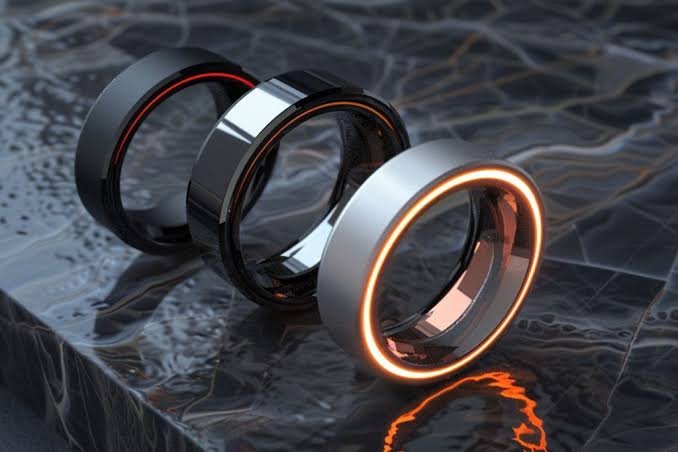
Wearable technology has come a long way in recent years. While smartwatches and fitness trackers are still popular, smart rings are becoming an interesting alternative for people who want to track their health and daily activities without wearing a device on their wrist.
Smart rings are small, lightweight devices that look similar to traditional rings but contain sensors that collect information about your body. Depending on the model, they can track sleep, monitor heart rate, estimate activity levels, and provide insights into recovery and overall wellness.
In 2026, smart rings are attracting attention from fitness enthusiasts, people interested in improving their sleep, and anyone who prefers a more discreet wearable device. However, they also come with limitations, including their price, battery life, and the accuracy of certain measurements.
So, are smart rings really worth buying? Let’s explore their features, benefits, drawbacks, and the things you should consider before investing in one.
What Is a Smart Ring?
A smart ring is a wearable electronic device designed to collect health and activity data through sensors built into a ring-shaped body. Unlike a smartwatch, it does not have a large screen or require you to interact with it throughout the day.
Most smart rings connect to a smartphone app, where you can review your daily activity, sleep patterns, heart rate trends, and other measurements.
Popular options include the Oura Ring, Samsung Galaxy Ring, and other models designed for fitness tracking and general wellness.
The exact features depend on the brand and model. Some rings focus heavily on sleep and recovery, while others offer a broader selection of activity and wellness tracking features.
The main idea is simple: a smart ring collects useful information in the background, allowing you to understand your habits without constantly checking a screen.
Key Features of Smart Rings in 2026
Smart rings offer several features that can help users understand their daily routines and make more informed lifestyle decisions.
1. Sleep Tracking
Sleep tracking is one of the biggest reasons people choose smart rings. Because many users wear their rings overnight, these devices can collect data without the discomfort some people experience when sleeping with a smartwatch.
Depending on the model, a smart ring may estimate sleep duration, sleep stages, resting heart rate, and overnight heart rate variability.
The accompanying app can help you identify patterns, such as whether you tend to sleep less on busy days or whether your bedtime affects how rested you feel the next morning.
For example, if you consistently go to bed late and wake up feeling tired, your sleep data may help you recognize the pattern and make adjustments.
However, smart rings estimate sleep stages using sensor data and algorithms. They do not measure sleep as directly as a clinical sleep study, so their results should be treated as useful estimates rather than exact measurements.
2. Heart Rate Monitoring
Most leading smart rings include optical sensors that measure heart rate by detecting changes in blood flow.
Depending on the device, heart rate monitoring may be available during the day, overnight, during selected activities, or at regular intervals.
This information can help you understand your usual resting heart rate and notice how it changes with exercise, stress, or sleep.
Some rings also estimate heart rate variability, commonly known as HRV. HRV describes variations in the time between consecutive heartbeats and can provide additional context about recovery and the body’s response to daily demands.
These measurements are most useful when viewed as long-term trends. A single reading should not be used to diagnose a medical condition or determine your health status on its own.
3. Activity and Fitness Tracking
Smart rings can also help users monitor their daily movement. Depending on the model, features may include step counts, estimated calorie expenditure, activity duration, and exercise detection.
This can be helpful if you want a general picture of how active you are throughout the day.
For instance, a smart ring may show that you move less on days when you spend several hours sitting at a desk. That information could encourage you to take short walks or build more movement into your routine.
However, smart rings are not necessarily the best choice for every type of workout. Their smaller size and limited physical controls can make them less convenient than sports watches for people who need detailed running statistics, GPS routes, or real-time exercise information.
Some users may also find wearing a metal or bulky ring uncomfortable during weightlifting or exercises involving heavy equipment.
4. Stress and Recovery Insights
Some smart rings use heart rate, HRV, skin temperature trends, and other measurements to estimate stress or recovery.
These insights can help you understand how your body responds to changes in your routine. For example, your readings may look different after a poor night’s sleep, an intense workout, or several unusually demanding days.
Certain apps combine these measurements into daily readiness, recovery, or wellness scores.
Although these scores can be useful for recognizing patterns, they are not direct measurements of how stressed or recovered you truly are. Factors such as illness, alcohol consumption, travel, and changes in sleep can affect the readings.
It is best to combine the information with how you actually feel rather than letting a score determine every decision.
5. Skin Temperature Trends
Many smart rings include temperature sensors that track changes in skin temperature over time.
These readings can help users recognize personal patterns associated with sleep, recovery, menstrual cycle changes, or other physiological variations.
Some products offer cycle-related insights based on temperature trends and other information entered into the app.
However, skin temperature is not the same as core body temperature. A smart ring should not be treated as a reliable replacement for a thermometer or a medical diagnostic device.
Anyone using temperature trends for health-related decisions should understand the limitations of the specific product and its intended use.
6. Long Battery Life
One advantage of smart rings is that many models can operate for several days on a single charge.
Depending on the device and usage, battery life may range from a few days to around a week or more. Features, sensor activity, ring size, and battery condition can all affect how long a charge lasts.
This can be more convenient than charging some smartwatches every day.
Many smart rings also include a compact charging case or dock, making it relatively easy to recharge them when needed.
Still, the battery will eventually degrade, and the ring itself may not offer a user-replaceable battery. That is an important consideration when comparing the long-term cost of different models.
Benefits of Buying a Smart Ring
Smart rings have several advantages that make them appealing to people who want health tracking without a traditional wearable screen.
Comfortable and Discreet Design
One of the biggest benefits is their small size. A smart ring looks more like an ordinary piece of jewelry than a fitness gadget.
This makes it an appealing option for people who dislike wearing a smartwatch or prefer a minimalist style.
Because there is no large display demanding attention, you can collect data throughout the day without repeatedly checking notifications.
Useful Sleep Insights
For people who want to understand their sleep habits, smart rings can be particularly useful.
They are generally designed to be worn overnight, and their compact shape may feel less intrusive than a watch for some users.
Over time, the collected information can help reveal patterns in sleep duration, bedtime consistency, and overnight physiological measurements.
The key benefit is not achieving a perfect sleep score. It is learning which habits appear to support better rest.
Less Screen Time
Unlike smartwatches, most smart rings do not display messages, social media notifications, or incoming calls directly on the device.
This can be a positive feature for people who want to reduce digital distractions while still collecting wellness data.
You can check your information when it suits you rather than responding to constant alerts.
Convenient Everyday Tracking
A smart ring can collect information in the background while you work, travel, sleep, or go about your normal routine.
You do not have to start a workout or interact with the device for every measurement, although feature availability varies by model.
For someone who wants a general overview of daily habits, this passive approach can make tracking feel less demanding.
No Need for a Large Display
Some people simply do not like the look or feel of a smartwatch. Smart rings provide another way to track selected health and activity measurements without adding another screen to their daily life.
They may also pair well with a conventional wristwatch for people who prefer traditional watches but still want wellness tracking.
Limitations of Smart Rings
Despite their advantages, smart rings are not perfect. Understanding their limitations can help you decide whether one is worth the money.
1. They Can Be Expensive
Smart rings are often premium products, and the initial purchase price can be relatively high compared with basic fitness trackers.
Some brands also charge a monthly or annual subscription for detailed insights, historical data, or advanced app features. Others provide their core features without a recurring membership fee.
This means the real cost of ownership may be higher than the price shown on the product page.
Before buying, check whether the features you care about require a subscription and calculate the total cost over several years.
2. Health Measurements Are Estimates
Smart rings use sensors and software to estimate different physiological measurements. While these estimates can be useful for tracking trends, they are not always perfectly accurate.
Sleep stages, calorie expenditure, stress scores, and exercise measurements may differ from results obtained through more specialized equipment.
Fit, movement, skin characteristics, sensor placement, and the activity being performed can also affect readings.
If you need reliable information for a specific medical concern, a smart ring should not replace professional assessment or an appropriate medical device.
3. Limited Workout Features
Smart rings can be useful for general activity tracking, but they are usually less capable than dedicated sports watches when it comes to detailed workout monitoring.
Many models lack a built-in GPS receiver, a screen for real-time statistics, or the extensive training tools available on specialized fitness wearables.
You may need to carry your phone to record GPS-based activities, depending on the device.
If your main goal is to improve your running pace, monitor cycling performance, or follow structured training plans, a sports watch may be a better investment.
4. Ring Sizing Matters
Unlike a smartwatch strap, a smart ring cannot usually be adjusted easily after purchase.
Getting the correct size is essential for comfort and sensor performance. A ring that is too loose may not maintain consistent contact with your skin, while one that is too tight can become uncomfortable, particularly when your fingers swell.
Many manufacturers offer sizing kits to help customers choose the right fit.
It is worth following the manufacturer’s sizing instructions and wearing the sample ring for the recommended period before ordering. Remember that ring sizes and sizing systems can differ between brands.
5. Scratches and Physical Wear
Smart rings are worn on the fingers, where they can come into contact with keys, gym equipment, tools, countertops, and other hard surfaces.
Depending on the materials and finish, the outer surface may develop scratches over time.
The ring may also be less suitable for certain activities involving heavy gripping or direct pressure on the fingers. Removing it during weightlifting, manual work, or other risky activities may be advisable.
Although many smart rings are designed to resist water, water resistance does not mean they are immune to all forms of damage.
6. Subscription and App Dependence
A smart ring is only as useful as the information it provides and the software that supports it.
Some products rely heavily on a companion app, and selected features may require an internet connection, a paid membership, or access to cloud-based services.
You should also consider whether the manufacturer provides ongoing software support and whether you can export or retain your data if you stop using the product.
A device that looks attractive today may become less useful if its software support changes in the future.
Smart Ring vs. Smartwatch: Which Is Better?
Both devices can be useful, but they serve slightly different purposes.
| Feature | Smart Ring | Smartwatch |
|---|---|---|
| Design | Small and discreet | Larger and more noticeable |
| Sleep tracking | Often a key feature | Available on many models |
| Notifications | Usually limited or unavailable | Common on most smartwatches |
| Workout tracking | Basic to moderate, depending on model | Often more detailed |
| GPS | Usually requires a phone or external support | Built-in GPS on many models |
| Battery life | Often several days | Varies widely by model |
| Screen | No traditional display | Interactive display |
| Typical use | Passive wellness tracking | Fitness, apps, and daily notifications |
If you want a discreet device that focuses on sleep, recovery, and general wellness, a smart ring may suit you better.
If you want to see notifications, follow exercise statistics in real time, use GPS, and interact with apps, a smartwatch is usually the more versatile option.
Neither is automatically better for everyone. The right choice depends on which features you will actually use.
Who Should Buy a Smart Ring?
A smart ring can be a worthwhile purchase for several types of users.
- People interested in sleep: If you want to understand your sleep patterns and bedtime habits, a smart ring may provide helpful long-term insights.
- Busy professionals: People who want passive wellness tracking without frequent notifications may appreciate the discreet design.
- Fitness enthusiasts focused on recovery: A ring can complement a workout routine by providing overnight measurements and broader recovery trends.
- Minimalist technology users: If you dislike wearing a smartwatch, a ring offers another way to track selected metrics.
- People who already wear a traditional watch: A smart ring can provide wellness tracking without replacing a favorite wristwatch.
However, if you mainly want GPS navigation, detailed sports metrics, or smartwatch notifications, you may get better value from another type of wearable.
Who Should Avoid Buying a Smart Ring?
A smart ring may not be the right choice if you rarely check health data or do not have a clear reason for tracking it.
It may also be unsuitable for people whose work or hobbies involve frequent heavy gripping, machinery, or activities where wearing a ring could cause injury.
Anyone who needs clinical measurements or medical monitoring should check whether a particular device is appropriate for that purpose rather than assuming consumer wellness tracking is sufficient.
Finally, if you are uncomfortable paying a premium price for a device that relies heavily on an app, a basic fitness tracker or smartwatch may offer better overall value.
How to Choose the Right Smart Ring in 2026
If you decide to buy a smart ring, consider these factors before making a decision.
1. Compare health features. Decide whether sleep tracking, heart rate trends, temperature measurements, activity monitoring, or cycle-related insights matter most to you.
2. Check subscription requirements. Compare the purchase price and any recurring membership fees. Look carefully at which features remain available without a subscription.
3. Get the correct size. Use the manufacturer’s sizing kit or sizing guidance. Comfort and sensor contact are important for both usability and data quality.
4. Review battery life. Compare the advertised battery life with the features you plan to use, and check how the ring charges.
5. Check smartphone compatibility. Some products work across multiple mobile platforms, while others have more limited compatibility. For example, Samsung Galaxy Ring features and integrations may vary depending on the connected phone and software.
6. Consider privacy. Review the company’s data policies, account security features, and options for managing or deleting your information.
7. Think about long-term value. Consider durability, warranty coverage, software support, and the likely cost of using the device over several years.
The best smart ring is not necessarily the most expensive or the one with the most features. It is the one that fits comfortably, works with your phone, and provides information you genuinely find useful.
Are Smart Rings Worth Buying in 2026?
For many people, smart rings are worth considering, particularly if sleep tracking, passive wellness monitoring, and a discreet design are priorities.
Their biggest advantage is convenience. You can collect a range of health and activity measurements without wearing a large device or constantly interacting with a screen.
However, their value depends on your expectations. Smart rings are not replacements for medical equipment, and their estimates should not be treated as perfect measurements. They can also be expensive, and some models require ongoing subscription payments.
If you are curious about your sleep habits, want to monitor long-term wellness trends, or prefer a simple wearable, a smart ring may be a worthwhile investment. If you need detailed workout features or real-time notifications, a smartwatch could be the better option.
Final Thoughts
Smart rings are an appealing development in wearable technology because they combine a discreet design with useful health and activity tracking features. In 2026, they offer a convenient way to learn more about sleep patterns, heart rate trends, recovery, and everyday movement.
Still, they are not essential for everyone. Their price, limited workout features, sizing requirements, and reliance on software are all worth considering before making a purchase.
Before investing in one, think about what you want to improve in your daily life. If your goal is to understand your sleep better or follow general wellness trends without wearing a smartwatch, a smart ring could be a good fit.
Ultimately, a smart ring is worth buying when its features match your needs and the information it provides helps you make better everyday decisions. The goal is not to collect as much data as possible, but to find useful insights that support a healthier and more convenient lifestyle.