
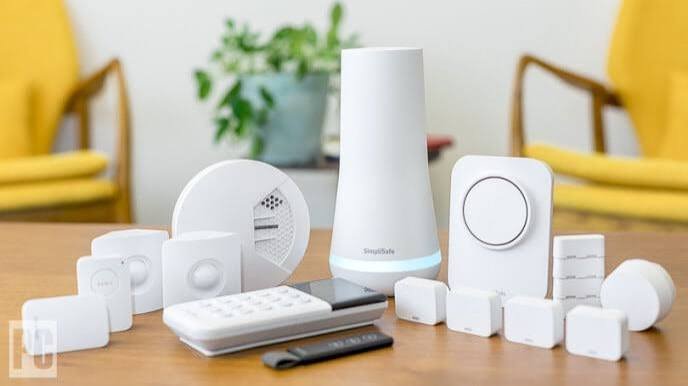
Smart devices have become a normal part of everyday life. From smartphones and smartwatches to smart TVs, security cameras, and home assistants, these devices are changing how people communicate, work, relax, and manage their homes. What once seemed like futuristic technology is now sitting on kitchen counters, desks, bedside tables, and even inside cars.
The growing popularity of smart devices is largely connected to their ability to make everyday tasks easier. Many of them can connect to the internet, communicate with other devices, collect information, and respond to user commands. Some can even learn from daily habits and automatically adjust settings according to personal preferences.
But what exactly are smart devices, and why have they become so important? Understanding their features, benefits, limitations, and future potential can help consumers make better decisions when choosing technology for their homes and lifestyles.
What Are Smart Devices?
Smart devices are electronic products that can connect to a network, usually through Wi-Fi, Bluetooth, or another wireless technology. Unlike traditional electronic devices, smart devices can often communicate with users, other devices, or online services.
For example, a traditional light bulb simply turns on or off when connected to a switch. A smart light bulb can be controlled through a smartphone, scheduled to turn on at a specific time, or connected to a voice assistant.
Similarly, a regular watch tells time, while a smartwatch can display notifications, track activity, monitor workouts, control music, and perform many other functions.
The key idea behind smart devices is connectivity. By combining hardware, software, sensors, and internet access, these products can provide features that were not possible with older technology.
Common Types of Smart Devices
There are many different types of smart devices available today, and new categories continue to appear as technology develops.
Smartphones
Smartphones are probably the most widely used smart devices in the world. They combine communication, entertainment, photography, navigation, productivity, and internet access in one portable device.
Modern smartphones can also connect with other smart products, allowing users to control lights, cameras, speakers, thermostats, and other equipment from a single screen.
Smartwatches
Smartwatches are designed to provide useful information directly from the wrist. Depending on the model, they can show messages, answer calls, track physical activity, provide navigation, and monitor various health-related measurements.
For people who do not want to constantly check their phones, a smartwatch can offer quick access to important information.
Smart Home Devices
Smart home technology includes products such as smart lights, thermostats, plugs, doorbells, locks, and home security cameras.
These devices can make household management more convenient. For example, users can turn lights on or off remotely, adjust the temperature before arriving home, or receive an alert when a security camera detects movement.
Smart TVs
Smart TVs combine traditional television with internet-based services. Instead of relying only on cable or broadcast channels, users can access streaming platforms, online videos, music services, and other applications directly through the television.
Many smart TVs can also connect with smartphones and voice assistants.
Smart Speakers
Smart speakers use microphones, internet connectivity, and voice recognition technology to respond to spoken commands. Users can ask questions, play music, set reminders, check information, or control compatible smart home products.
For many households, a smart speaker becomes a central point for controlling connected devices.
Wearable Devices
Fitness trackers and other wearable products can collect information about daily activity and exercise. They are popular among people who want to understand their routines and stay motivated toward personal fitness goals.
Benefits of Smart Devices
The biggest advantage of smart devices is convenience. They can automate repetitive tasks and reduce the amount of time people spend managing everyday activities.
For example, smart lighting can follow a schedule without requiring someone to manually switch lights on and off. A smart thermostat can adjust the temperature automatically, while a smart doorbell can notify homeowners when someone approaches the front door.
Another important benefit is accessibility. Voice controls and automated features can make certain technologies easier to use for people who have difficulty operating traditional controls.
Smart devices can also improve communication. Smartphones, watches, speakers, and connected computers allow people to stay connected through calls, messages, video chats, and online services.
In addition, smart devices can provide useful information. A fitness tracker may show activity patterns, while a smart security system can provide alerts about activity around a property.
How Smart Devices Make Homes Smarter
The idea of a smart home is based on connecting different household devices so that they can work together.
Imagine waking up in the morning and having your bedroom lights gradually become brighter. At the same time, your thermostat adjusts the temperature, your coffee maker starts preparing coffee, and your phone displays your daily schedule.
These actions can be automated through connected devices and customized routines.
Another example is leaving home. Instead of checking every room individually, a smart home system could turn off selected lights, adjust the thermostat, lock compatible doors, and activate security equipment.
The real value comes from integration. A single smart device can be useful, but multiple connected devices can create a more convenient and coordinated environment.
Smart Devices and Energy Efficiency
Smart technology can also help people manage energy consumption. Smart thermostats, lighting systems, and power plugs can provide more control over when and how devices use electricity.
For example, smart lights can be programmed to switch off automatically when nobody is home. A smart thermostat can reduce heating or cooling when a house is empty and restore the preferred temperature before residents return.
However, owning smart devices does not automatically guarantee lower energy bills. Savings depend on how efficiently the products are used and how much electricity the devices themselves consume.
The most effective approach is to use automation as a tool for better energy management rather than assuming that every connected product will reduce costs.
Security and Privacy Concerns
While smart devices offer many advantages, they also create new privacy and security concerns.
Many smart products collect information to provide their services. Cameras may record video, smart speakers may process voice commands, and connected applications may store information about user preferences or device activity.
This makes security an important consideration when purchasing and using smart technology.
Consumers should choose reputable products, install security updates, use strong and unique passwords, and enable additional security features when available. It is also a good idea to review privacy settings and understand what information a device collects.
A device connected to the internet should be treated like any other digital system: convenience should not come at the expense of basic security practices.
Are Smart Devices Worth Buying?
Whether a smart device is worth buying depends on the person’s needs.
Someone who travels frequently might find a smart security camera useful because it can provide remote access to information about their home. Someone interested in fitness may benefit from a smartwatch or activity tracker.
On the other hand, buying a connected version of every household product may not be necessary. If a device performs a simple task that does not benefit from automation or connectivity, a traditional product may be more practical.
Before buying, consumers should consider what problem the device solves, how frequently it will be used, whether it works with existing technology, and whether the additional features justify the cost.
The Future of Smart Devices
The future of smart devices is likely to focus on better automation, improved artificial intelligence, stronger connectivity, and more personalized experiences.
Artificial intelligence can allow devices to understand user preferences more effectively and respond to situations with less manual input. Instead of simply following fixed commands, future systems may become better at predicting what users need.
Interoperability is also likely to become increasingly important. Consumers do not want to manage every smart product through a completely different application. Better compatibility between brands and platforms could make connected homes much easier to manage.
At the same time, privacy and cybersecurity will remain major concerns. As smart devices become more capable, protecting personal information and preventing unauthorized access will become even more important.
How to Choose the Right Smart Device
Choosing the right smart device does not always mean buying the most expensive or advanced option. The best product is usually the one that provides useful features without creating unnecessary complexity.
Start by identifying the problem you want to solve. If you want better home security, consider connected cameras, sensors, or doorbells. If you want easier lighting control, smart bulbs or switches may be enough.
Compatibility should also be considered. Before purchasing a device, check whether it works with your existing smartphone, smart home platform, or other connected products.
Finally, pay attention to software support. Smart devices depend heavily on software, so regular updates can be just as important as hardware quality.
Frequently Asked Questions
1. What are smart devices?
Smart devices are electronic products that can connect to the internet or other devices and perform advanced functions. Examples include smartphones, smartwatches, smart TVs, smart speakers, smart lights, and connected security cameras.
2. What are the main benefits of smart devices?
Smart devices can provide convenience, automation, remote control, connectivity, and useful information. They can help users manage their homes, communicate with others, monitor activities, and automate repetitive tasks.
3. Do smart devices need Wi-Fi?
Many smart devices rely on Wi-Fi for internet-based features, but not all of them require it. Some devices can use Bluetooth or other wireless technologies for certain functions. The exact requirements depend on the product.
4. Are smart devices safe to use?
Smart devices can be safe when properly configured and regularly updated. Users should create strong passwords, install security updates, review privacy settings, and purchase products from trustworthy manufacturers.
5. How do I choose the best smart device?
Start by identifying your specific needs and the problem you want the device to solve. Then check its features, price, compatibility, privacy options, security support, and customer reviews before making a purchase.
Conclusion
Smart devices have changed the relationship between people and technology. They are no longer limited to computers and phones; they now exist throughout homes, workplaces, vehicles, and personal lifestyles.
From smartwatches and smartphones to connected thermostats, speakers, cameras, and televisions, these products can save time, provide useful information, automate routine tasks, and make everyday experiences more convenient.
However, smart technology should be used thoughtfully. Privacy, security, compatibility, cost, and long-term software support are all important factors to consider before purchasing a connected product.
The future of smart devices looks increasingly intelligent and connected. As technology continues to improve, these products may become even better at understanding our needs and working together. For consumers, the goal should not be to own as many smart devices as possible, but to choose technology that genuinely makes life simpler, safer, and more efficient.