
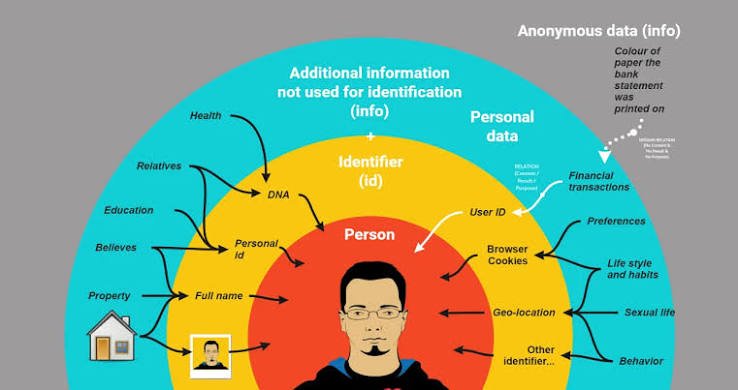
In today’s digital world, personal data has become one of the most valuable forms of information. Every time we create an account, shop online, use a mobile application, browse a website, or share something on social media, we may provide information about ourselves. Much of this information is collected, stored, analyzed, and sometimes shared by companies and organizations.
While digital services make everyday life easier, they also raise an important question: How safe is our personal data?
Understanding what personal data means, how it is used, and what we can do to protect it is no longer something only technology experts need to know. It is an important part of being a responsible internet user.
What Is Personal Data?
Personal data is information that relates to an identified or identifiable individual. In simple terms, it is information that can directly identify you or can be combined with other information to identify you.
Some examples are obvious. Your full name, home address, phone number, and email address are all forms of personal data. However, personal data can include much more than basic contact details.
For example, information such as your date of birth, location, IP address, online activity, photographs, purchase history, and device information may also be considered personal data, depending on the circumstances and applicable laws.
Some types of information can be particularly sensitive. Health records, financial information, biometric data, and certain personal beliefs may require additional protection because misuse of this information could cause serious harm.
Why Is Personal Data So Valuable?
Personal data has become extremely valuable because it helps organizations understand the people who use their products and services.
For example, an online store may collect information about the products a customer views or purchases. This information can help the company recommend similar products in the future. A streaming platform may analyze viewing habits to suggest movies or shows that a user is likely to enjoy.
Businesses can use data to improve customer experiences, understand market trends, detect fraud, personalize advertising, and make better decisions.
However, the value of personal data also makes it attractive to cybercriminals. Stolen information can potentially be used for identity theft, financial fraud, phishing attacks, account takeovers, or other harmful activities.
This is why protecting personal information has become such an important issue for individuals and businesses alike.
How Is Personal Data Collected?
Personal data can be collected in many different ways, and sometimes people do not realize how much information they are providing.
One of the most common methods is through websites and mobile applications. When you create an account, place an order, or sign up for a newsletter, you may provide your name, email address, phone number, and other details.
Websites may also collect technical information automatically. This can include your IP address, browser type, device details, language preferences, and information about how you interact with a website.
Mobile applications can collect information through permissions. Depending on the app and the permissions you allow, it may have access to your location, camera, microphone, contacts, or other device features.
Social media is another major source of personal information. Users often voluntarily share photos, locations, workplaces, relationships, interests, birthdays, and opinions. Even when a post seems harmless, individual pieces of information can sometimes be combined to create a surprisingly detailed picture of a person.
Personal Data and Social Media
Social media has changed the way people communicate, but it has also made personal privacy more complicated.
Many people share information online without considering how long that information might remain available or who could eventually see it. A photograph can reveal a location. A post about a vacation can indicate that a home may be empty. A public profile can reveal a person’s workplace, hobbies, family members, and daily habits.
This does not mean people should stop using social media. Instead, users should think carefully before sharing information publicly.
Checking privacy settings regularly is a good starting point. It is also worth reviewing old posts and removing information that is no longer necessary or that could create a privacy risk.
The Risks of Poor Data Protection
When personal data is not properly protected, the consequences can range from minor inconvenience to serious financial or personal harm.
One major risk is identity theft. If criminals obtain enough information about someone, they may attempt to impersonate that person or gain access to accounts.
Phishing is another common threat. Attackers may use personal information to create convincing emails or messages that appear to come from a trusted company, bank, friend, or colleague.
Data breaches can also expose large amounts of information at once. A company may experience a security incident in which customer names, email addresses, passwords, or other information are accessed by unauthorized individuals.
There is also the risk of unwanted tracking and profiling. When information from different sources is combined, organizations may be able to build detailed profiles of people’s interests, behavior, and preferences.
How to Protect Your Personal Data
Protecting personal information does not require advanced technical knowledge. A few practical habits can make a significant difference.
Use Strong and Unique Passwords
One of the simplest ways to improve online security is to use strong passwords. Avoid using obvious information such as your name, birthday, or favorite sports team.
More importantly, do not use the same password for every account. If one service suffers a breach, criminals may try the stolen password on other websites.
A reputable password manager can make it easier to create and store unique passwords for different accounts.
Turn On Multi-Factor Authentication
Multi-factor authentication, often called MFA or two-factor authentication, adds another layer of protection.
Instead of relying only on a password, the service may require a code from an authentication app, a security key, or another verification method.
Even if someone discovers your password, an additional authentication step can make it much harder for them to access your account.
Be Careful With Suspicious Messages
Never assume that an email or text message is legitimate simply because it contains your name or other personal information.
Phishing messages can look remarkably convincing. Before clicking a link or downloading an attachment, check who sent the message and consider whether the request makes sense.
When in doubt, visit the company’s official website directly rather than using a link provided in a suspicious message.
Review App Permissions
Mobile applications often request access to different features on your device. Some permissions may be necessary for an app to function, while others may not be.
Take a moment to review which applications have access to your location, microphone, camera, contacts, and other sensitive features. If an application no longer needs a particular permission, consider turning it off.
Limit What You Share Online
A useful privacy habit is to ask yourself one simple question before sharing something online: Does this information really need to be public?
You do not need to share your home address, personal phone number, travel plans, financial details, or other sensitive information with everyone.
Reducing the amount of information you share can reduce the amount of information available to people who may misuse it.
The Role of Businesses
Individuals have an important role in protecting their information, but businesses also have a major responsibility.
Organizations that collect personal information should take reasonable steps to protect it from unauthorized access, loss, misuse, and disclosure. This includes using appropriate security controls, limiting access to sensitive information, training employees, and having plans for responding to security incidents.
Businesses should also be transparent about how they collect and use customer information. Privacy policies can help explain what information is collected, why it is collected, and how it may be shared.
Good data protection is not only a technical responsibility. It is also a matter of trust. Customers are more likely to trust organizations that treat their information responsibly.
Personal Data and Privacy Laws
Governments around the world have introduced privacy and data protection laws to give people greater control over their information and establish responsibilities for organizations.
Different countries and regions have different legal requirements. Some laws give individuals rights concerning access to their information, correction of inaccurate data, deletion in certain circumstances, and transparency about how information is used.
The exact rights and responsibilities depend on the applicable law and situation. For businesses, understanding the privacy rules relevant to their customers and operations is therefore extremely important.
The Future of Personal Data
As technology continues to develop, personal data will become even more closely connected to everyday life.
Artificial intelligence, smart devices, connected vehicles, wearable technology, online banking, and digital health services can generate and process enormous amounts of information.
These technologies can provide real benefits, but they also make responsible data management more important. The challenge will be finding the right balance between convenience, innovation, security, and privacy.
Consumers will need to become more aware of what they share, while organizations will need to become more transparent and responsible in the way they handle information.
Frequently Asked Questions About Personal Data
1. What is personal data?
Personal data is any information that relates to an identified or identifiable person. It can include details such as a name, email address, phone number, home address, date of birth, location, IP address, and online activity.
2. Why is personal data important?
Personal data is important because it can reveal information about an individual’s identity, habits, preferences, and activities. Businesses use it to provide services and improve user experiences, while individuals need to protect it to reduce the risk of fraud, identity theft, and privacy violations.
3. What are some common examples of personal data?
Common examples include your full name, email address, phone number, home address, date of birth, photographs, financial information, location data, IP address, and information about your online activities.
4. How is personal data collected?
Personal data can be collected when you create an online account, make a purchase, use an application, visit a website, subscribe to a service, or interact with social media. Some technical information may also be collected automatically when you use digital devices and online services.
5. How can I protect my personal data?
You can protect your personal data by using strong and unique passwords, enabling multi-factor authentication, avoiding suspicious links and messages, reviewing app permissions, keeping software updated, and limiting the amount of sensitive information you share online.
6. What happens if personal data is stolen?
Stolen personal data can potentially be used for identity theft, financial fraud, phishing, account takeovers, or other malicious activities. The impact depends on what type of information was exposed and how criminals use it.
7. Is personal data protected by privacy laws?
Yes, many countries and regions have privacy and data protection laws that regulate how organizations collect, use, store, and share personal information. The specific rights and protections vary depending on the applicable law and location.
8. Why should businesses protect personal data?
Businesses should protect personal data because customers trust them with their information. Strong data protection helps prevent unauthorized access and security incidents while also supporting customer trust and compliance with applicable privacy requirements.
Final Thoughts
Personal data is now an important part of modern life. From a simple email address to detailed information about our online behavior, the information connected to us can have significant value.
The best approach is not to fear technology but to use it wisely. Strong passwords, multi-factor authentication, careful sharing, regular privacy checks, and awareness of online scams can all help reduce unnecessary risks.
At the same time, businesses must recognize that personal information belongs to real people, not simply to databases. Protecting that information is an important responsibility and a key part of building long-term trust.
In the digital age, privacy cannot be treated as an afterthought. Understanding personal data and learning how to protect it is one of the most practical skills anyone can develop.