
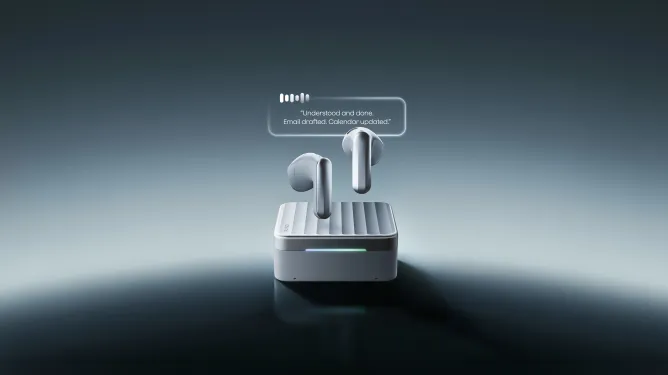
The world of technology is changing faster than ever. Almost every week, we hear about a new smartphone, smarter wearable, powerful laptop, innovative home device, or exciting artificial intelligence feature. For people who enjoy keeping up with technology, Gadget News has become an important source of information. It helps consumers understand what is new, what is worth buying, and how the latest devices may change everyday life.
From smartphones and tablets to smartwatches, wireless earbuds, gaming accessories, and smart home products, gadgets have become an essential part of modern living. However, with so many new products appearing on the market, it can be difficult to know which developments actually matter. Following reliable gadget updates can make it easier to separate useful innovations from simple marketing hype.
Why Gadget News Matters Today
Technology is no longer limited to computers and offices. Gadgets are now part of communication, entertainment, education, fitness, travel, and even household management. A smartphone can act as a camera, navigation system, payment tool, gaming device, and personal assistant all at once.
This is one reason why people regularly search for Gadget News before purchasing a new device. They want to know whether a product offers meaningful improvements over its predecessor. Specifications such as processor performance, battery life, camera quality, display technology, connectivity, and software support can have a major impact on the overall experience.
Technology news also gives users an early look at upcoming products. Leaks, announcements, product launches, and industry developments can help consumers decide whether to buy something now or wait for a newer model.
Smartphones Continue to Lead the Gadget Market
Smartphones remain one of the most important categories in the technology industry. Manufacturers are constantly competing to deliver better cameras, brighter displays, faster processors, longer battery life, and more useful software features.
Modern smartphones are also becoming increasingly dependent on artificial intelligence. AI-powered photography, voice assistants, text tools, translation features, image editing, and personalized recommendations are becoming common across different devices.
Another major area of development is smartphone design. Foldable phones have attracted considerable attention because they offer larger screens while maintaining a more compact form factor when folded. Although foldable devices are still more expensive than many traditional smartphones, improvements in durability and design could make them more attractive to mainstream consumers.
Battery technology is another subject frequently covered in gadget updates. Consumers want devices that can survive a full day of heavy use without constantly searching for a charger. Faster charging and improved power efficiency are therefore becoming important selling points.
Wearable Technology Is Getting Smarter
Smartwatches and fitness trackers have evolved far beyond simple step counters. Today’s wearable devices can provide notifications, track workouts, monitor sleep patterns, measure heart-related metrics, and support various health and fitness features.
Smartwatches are particularly popular because they combine convenience with personalization. Users can check messages, control music, receive calls, view directions, and monitor physical activity without reaching for their phone.
The wearable market is also expanding beyond watches. Wireless earbuds, smart rings, connected glasses, and other compact devices are receiving more attention. These products demonstrate how technology is moving closer to the human body and becoming a natural part of daily routines.
As wearable technology develops, privacy and data security are also becoming important considerations. Devices that collect personal information need strong security measures and transparent data policies. Consumers should look beyond attractive designs and specifications when choosing a wearable product.
Artificial Intelligence Is Changing Gadgets
Artificial intelligence is arguably one of the biggest themes in current technology. AI is no longer something found only in specialized software. It is increasingly being built directly into everyday gadgets.
Smartphones can use AI to improve photographs, summarize information, translate conversations, organize content, and assist with writing. Laptops are also being designed with hardware and software specifically intended to support AI-related tasks.
Smart home products are another area where AI can make a difference. Voice assistants and connected devices can learn routines, automate certain tasks, and provide more personalized experiences. For example, a smart home system can manage lighting, temperature, entertainment, and security from a central platform.
However, AI-powered gadgets also raise questions about privacy, accuracy, and dependence on automated systems. A useful gadget should not simply have an AI label attached to it. The technology should provide a practical benefit that improves the user’s experience.
Gaming Gadgets Are Evolving
Gaming remains a major part of the consumer electronics industry. New gaming consoles, handheld devices, monitors, keyboards, mice, headsets, and controllers continue to attract players.
Portable gaming has become particularly interesting. Gamers increasingly want the ability to play high-quality games away from a traditional television or desktop computer. Modern handheld gaming devices are becoming more capable, offering better screens, stronger processors, and improved battery performance.
Gaming accessories are also becoming more advanced. High-refresh-rate displays can provide smoother visuals, while specialized controllers and gaming headphones can improve responsiveness and immersion.
For serious gamers, even small differences in performance can matter. This is why gaming-related Gadget News often focuses on technical specifications, performance tests, compatibility, and real-world user experiences.
Smart Home Devices Are Becoming More Common
Smart home technology has moved from being a luxury concept to something many consumers can access. Smart lights, cameras, speakers, thermostats, doorbells, plugs, and appliances can be connected through home networks and controlled using smartphones or voice commands.
One of the biggest benefits of smart home gadgets is convenience. Users can automate repetitive tasks or control devices remotely. For example, smart lighting can be scheduled to turn on at a particular time, while a smart security camera can send an alert when unusual activity is detected.
Compatibility remains an important issue, however. Not every smart device works perfectly with every ecosystem. Before purchasing a product, consumers should check whether it supports the platforms and standards they already use.
What Consumers Should Look for Before Buying a Gadget
Reading technology news is useful, but consumers should still do their own research before spending money. A long list of impressive specifications does not automatically mean that a product is right for everyone.
First, consider the primary purpose of the gadget. A person who mainly takes photographs may prioritize camera performance, while someone who travels frequently may care more about battery life and durability.
Price is another important factor. Buying the newest model is not always the best financial decision. Older devices can sometimes offer excellent performance at significantly lower prices, especially when the newer model provides only minor improvements.
Software support should also be considered. A device with strong hardware can become less useful if it stops receiving important software and security updates. Long-term support can therefore be just as important as initial performance.
Finally, look at independent reviews and real-world experiences. Product specifications tell only part of the story. Actual battery performance, comfort, reliability, software quality, and everyday usability can be difficult to judge from a manufacturer’s announcement alone.
The Future of Gadget Technology
The future of gadgets is likely to focus on making technology more intelligent, efficient, portable, and connected. AI will continue to influence how devices operate, while improvements in batteries, displays, processors, connectivity, and materials may create new possibilities.
We may also see greater integration between different categories of gadgets. Smartphones, watches, earbuds, laptops, vehicles, and smart home products are increasingly designed to work together. Instead of thinking about individual devices, consumers may eventually interact with a connected technology ecosystem.
Sustainability is another issue likely to become more important. Consumers and manufacturers are paying greater attention to repairability, energy efficiency, recycled materials, and electronic waste. Future gadgets may need to balance performance and innovation with environmental responsibility.
Frequently Asked Questions
1. What is Gadget News?
Gadget News refers to information and updates about electronic devices and consumer technology. It can include product launches, reviews, software updates, industry developments, leaks, comparisons, and information about upcoming gadgets.
2. Why should I follow Gadget News?
Following Gadget News can help you stay informed about new products and technological developments. It can also help you compare devices, understand new features, and avoid purchasing a product that may soon be replaced by a newer model.
3. What types of gadgets are usually covered in technology news?
Common categories include smartphones, tablets, laptops, smartwatches, wireless earbuds, gaming devices, cameras, smart home products, televisions, and other connected electronics.
4. Is the newest gadget always the best choice?
No. The newest gadget may have the latest features, but that does not mean it offers the best value for every user. An older model may provide similar performance at a lower price, so it is important to compare features, pricing, reviews, and long-term support.
5. How can I choose the right gadget?
Start by identifying what you actually need the device to do. Then compare important factors such as performance, battery life, design, compatibility, software support, price, and reliability. Reading independent reviews and keeping up with Gadget News can also help you make a more informed decision.
Final Thoughts
The technology industry never stands still, and that is what makes Gadget News so interesting. New devices and features can change the way people communicate, work, exercise, play games, and manage their homes.
At the same time, consumers should not feel pressured to buy every new product that receives attention. The best gadget is not necessarily the newest or most expensive one. It is the device that offers useful features, reliable performance, appropriate pricing, and long-term value.
By following trustworthy technology updates and comparing products carefully, consumers can make smarter decisions. Whether you are interested in smartphones, wearables, gaming devices, AI-powered technology, or smart home products, staying informed can help you understand which innovations are genuinely useful and which ones are simply temporary trends.