
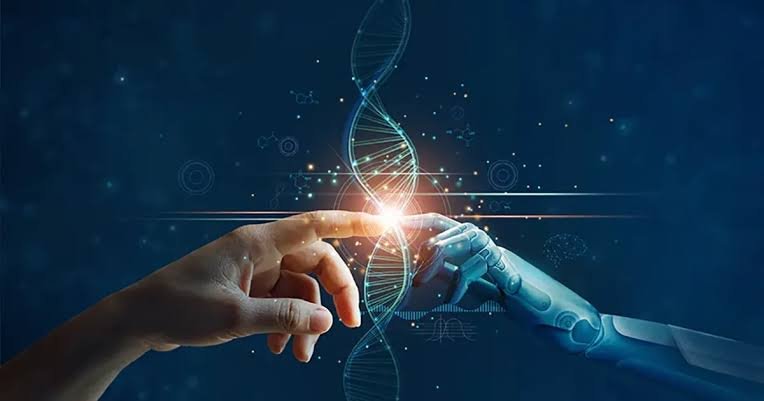
Technology has become one of the strongest forces shaping modern life. From the smartphones we use every day to artificial intelligence, smart homes, electric vehicles, and advanced healthcare systems, technology is changing how people live, work, communicate, and solve problems. The speed at which new ideas are being developed is remarkable, and businesses as well as individuals are constantly adapting to these changes.
Tech innovations are not simply about creating new gadgets. They are about finding better, faster, safer, and more convenient ways to handle real-world challenges. Some innovations improve existing systems, while others completely change the way an industry operates. As digital technology continues to evolve, its influence can be seen in almost every part of society.
What Are Tech Innovations?
Tech innovations refer to new or improved technologies, products, services, and processes designed to solve problems or make existing activities more effective. An innovation can be something highly advanced, such as an artificial intelligence system, or something relatively simple that makes an everyday task easier.
The main goal of technology innovation is to create value. Companies invest heavily in research and development because innovative technology can reduce costs, improve productivity, enhance customer experiences, and create new business opportunities.
For example, cloud computing has changed how businesses store and access information. Instead of relying entirely on physical servers, organizations can use online infrastructure that is flexible and scalable. Similarly, mobile applications have transformed banking, shopping, transportation, entertainment, and communication.
Artificial Intelligence Is Driving a New Wave of Innovation
Artificial intelligence is one of the most influential areas of modern technology. AI systems can analyze huge amounts of information, recognize patterns, generate content, understand language, and assist with complex decisions.
Businesses are using AI in many different ways. Customer service teams can use intelligent chat systems to answer common questions, while marketing departments can analyze customer behavior and create more personalized campaigns. In healthcare, AI can assist professionals by analyzing medical images and identifying patterns that may require further examination.
Generative AI has also attracted enormous attention because it can create text, images, audio, software code, and other forms of content. While these tools can improve productivity, they also raise important questions about accuracy, privacy, copyright, and responsible use.
The future of AI will likely depend not only on how powerful these systems become, but also on how responsibly people and organizations use them.
The Growth of Smart Devices and the Internet of Things
Another major area of tech innovation is the Internet of Things, commonly known as IoT. It connects physical devices to the internet so they can collect, exchange, and sometimes act on data.
Smart home devices are a familiar example. People can control lights, thermostats, security cameras, appliances, and other equipment through smartphones or voice commands. These systems can make homes more convenient and can potentially help reduce energy consumption.
IoT is also important in industries. Factories can use connected sensors to monitor machines and identify potential problems before equipment fails. Farmers can use sensors to monitor soil conditions, temperature, and moisture. Cities can use connected systems to improve traffic management, public services, and energy use.
As more devices become connected, cybersecurity and data protection will become increasingly important.
Electric Vehicles and the Future of Transportation
Transportation is another field experiencing significant technological change. Electric vehicles have become an important alternative to traditional gasoline-powered cars. Improvements in battery technology, charging infrastructure, and vehicle design are helping make electric transportation more practical.
Electric vehicles can reduce dependence on fossil fuels and may lower certain operating and maintenance costs. At the same time, manufacturers are working on better battery performance, faster charging, and longer driving ranges.
Technology is also influencing transportation through driver-assistance systems, navigation platforms, connected vehicles, and autonomous driving research. Although fully autonomous transportation still faces technical, legal, and safety challenges, continued innovation could eventually change how people and goods move around cities.
Technology Is Transforming Healthcare
Healthcare has benefited enormously from recent technological developments. Digital health platforms allow patients to communicate with healthcare providers remotely, while wearable devices can track information such as heart rate, physical activity, and sleep patterns.
Telemedicine has made healthcare consultations more accessible for many people, particularly those who live far from medical facilities. Digital records also make it easier for healthcare professionals to manage and share patient information when appropriate.
Another promising area is personalized medicine. Advances in data analysis and biotechnology are helping researchers understand how individual differences can influence diseases and treatments. Although these technologies are still developing, they could contribute to more targeted and effective healthcare in the future.
However, healthcare innovation must be handled carefully because medical information is highly sensitive. Privacy, security, accuracy, and ethical considerations are essential.
The Role of Technology in Education
Education is also changing as a result of technology. Students can now access online courses, digital libraries, educational applications, interactive lessons, and virtual classrooms from almost anywhere.
Artificial intelligence can provide personalized learning support by helping students practice specific subjects at their own pace. Teachers can use digital tools to organize assignments, analyze performance, and create engaging learning materials.
Virtual and augmented reality may also provide new ways to learn. Instead of simply reading about historical locations, scientific concepts, or complex machinery, students can potentially explore interactive digital environments.
Despite these advantages, technology does not automatically guarantee better education. Students still need effective teachers, quality learning materials, motivation, and access to reliable devices and internet services.
Cloud Computing and the Modern Workplace
Cloud technology has become a foundation of modern business. Organizations can use cloud platforms to store data, run applications, collaborate with employees, and access computing resources without maintaining all the necessary infrastructure themselves.
This has helped make remote and hybrid work more practical. Employees can collaborate on documents, attend virtual meetings, communicate through digital platforms, and access business systems from different locations.
Cloud computing also allows businesses to scale their technology resources according to demand. A growing company can increase its computing capacity without necessarily building a large physical data center.
At the same time, companies must carefully manage cloud security, access controls, backups, and compliance requirements to protect sensitive information.
Cybersecurity Is More Important Than Ever
As technology becomes more deeply integrated into daily life, cybersecurity has become a critical concern. Businesses, governments, and individuals face risks from data breaches, phishing attacks, malware, identity theft, and other forms of cybercrime.
Modern cybersecurity involves much more than installing antivirus software. Organizations need strong passwords, multi-factor authentication, employee training, regular software updates, network monitoring, and carefully designed security policies.
Artificial intelligence is also being used in cybersecurity. It can help identify unusual patterns and potentially detect threats faster. However, attackers can use advanced technologies as well, creating an ongoing competition between security professionals and cybercriminals.
For this reason, responsible technology development must include security from the beginning rather than treating it as an afterthought.
Sustainable Technology and Green Innovation
Technology is increasingly being used to address environmental challenges. Renewable energy systems, energy-efficient buildings, electric transportation, smart power grids, and improved battery technologies are examples of innovations that may contribute to a more sustainable future.
Companies are also exploring ways to reduce waste through better manufacturing processes and recycling technologies. Smart systems can help organizations monitor energy consumption and identify areas where resources are being wasted.
Green technology is not only about protecting the environment. It can also create economic opportunities by supporting new industries, jobs, and business models.
The Future of Tech Innovations
The future of technology will likely involve greater integration between different fields. Artificial intelligence, robotics, biotechnology, cloud computing, advanced materials, and connected devices may increasingly work together.
For businesses, this means innovation will become an ongoing process rather than a one-time project. Companies that understand emerging technologies and adapt responsibly may be better prepared for changing customer expectations and market conditions.
For individuals, digital skills will become increasingly valuable. Learning how to use new tools, evaluate digital information, protect personal data, and adapt to technological changes can help people remain competitive in a rapidly changing world.
However, progress should not be measured only by how advanced a technology is. The most valuable innovations are those that genuinely improve people’s lives while respecting safety, privacy, accessibility, and ethical standards.
Frequently Asked Questions About Tech Innovations
1. What are tech innovations?
Tech innovations are new or improved technologies, products, services, or processes created to solve problems, improve efficiency, or provide new opportunities. They can range from artificial intelligence and robotics to everyday mobile applications and smart devices.
2. Why are tech innovations important?
Tech innovations can improve productivity, reduce costs, simplify everyday tasks, create new industries, and help solve complex problems. They also allow businesses and individuals to adapt to changing needs and expectations.
3. What is the most important technology innovation today?
Artificial intelligence is one of the most influential current innovations because it can affect many industries, including healthcare, education, finance, transportation, manufacturing, and customer service. However, its importance depends on how it is developed and applied.
4. How do tech innovations affect businesses?
Technology can help businesses automate repetitive tasks, analyze data, communicate with customers, improve operations, and develop new products or services. Companies can also use technology to compete more effectively in changing markets.
5. Can technology innovations create new jobs?
Yes. While automation can reduce demand for some tasks, technological progress can also create new roles in areas such as software development, cybersecurity, data analysis, artificial intelligence, robotics, and technology management.
6. Are tech innovations safe?
Not every technology is automatically safe. New technologies can introduce risks involving privacy, cybersecurity, misinformation, safety, or ethical concerns. Responsible testing, regulation, security measures, and proper use are important for reducing these risks.
7. How can people keep up with new technology?
People can stay informed by following reliable technology news, taking online courses, learning digital skills, experimenting with useful tools, and understanding basic cybersecurity practices. Continuous learning is especially valuable because technology changes quickly.
8. What will tech innovations look like in the future?
Future innovations may include more advanced artificial intelligence, robotics, clean energy systems, smart infrastructure, biotechnology, immersive digital environments, and increasingly connected devices. The exact direction is difficult to predict, but technology will likely become even more integrated into everyday life.
Conclusion
Tech innovations are reshaping nearly every aspect of modern society. Artificial intelligence is changing how people work with information, connected devices are making physical environments smarter, electric vehicles are transforming transportation, and digital healthcare and education are improving access to important services.
At the same time, technological progress brings responsibilities. Privacy, cybersecurity, ethical decision-making, environmental impact, and equal access must remain part of the conversation.
The future will undoubtedly bring technologies that are difficult to imagine today. What matters most is how society chooses to develop and use them. When innovation is combined with responsible thinking, technology can become a powerful tool for creating a more productive, connected, and sustainable future.