
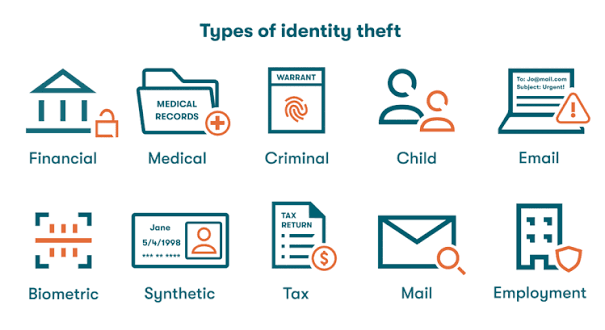
In today’s digital world, personal information has become more valuable than ever. Every time you create an online account, shop on a website, use a banking app, or share something on social media, you leave behind pieces of information about yourself. Unfortunately, criminals can use these details for fraud, financial theft, or other harmful activities. This is why Identity Protection has become an important part of staying safe online.
Identity protection is not only about protecting your bank account. It also means keeping your name, address, passwords, Social Security number, credit information, and other sensitive details away from people who may misuse them. The good news is that you do not need to be a cybersecurity expert to protect your identity. A few smart habits can make a significant difference.
What Is Identity Protection?
Identity protection refers to the steps people take to prevent unauthorized individuals from accessing or misusing their personal information. This can include protecting financial accounts, online profiles, government identification numbers, medical information, and other private data.
Identity theft can happen in many ways. A criminal might steal information through a phishing email, a fake website, a data breach, or even a compromised password. In some cases, thieves may use stolen information to open credit accounts, make purchases, apply for loans, or impersonate someone online.
The purpose of identity protection is to reduce these risks and make it harder for criminals to use your information without your permission.
Why Is Identity Protection Important?
Most people have dozens of online accounts, and each account can potentially contain personal information. A single weak password or careless click can sometimes give a criminal access to valuable data.
The consequences of identity theft can also go beyond losing money. Victims may spend considerable time contacting banks, disputing fraudulent charges, repairing their credit, and proving that they were not responsible for fraudulent activity.
Identity protection helps you take a proactive approach instead of waiting until something goes wrong. By securing your accounts and monitoring your information, you can often identify suspicious activity sooner.
Common Ways Identity Theft Happens
Understanding how identity theft occurs can help you avoid common mistakes. Criminals continually develop new techniques, but several methods remain particularly common.
Phishing Scams
Phishing involves fake emails, text messages, or websites designed to trick people into revealing sensitive information. A message might appear to come from a bank, delivery company, employer, or another trusted organization.
Before clicking a link or providing information, check the sender carefully. If a message creates a strong sense of urgency or threatens immediate consequences, take a moment to verify it through an official website or phone number.
Weak or Reused Passwords
Using the same password across multiple accounts can create a serious security problem. If one website suffers a data breach, criminals may try the stolen password on other websites.
Creating a unique password for every important account is one of the simplest ways to improve your security. A reputable password manager can also make it easier to manage multiple strong passwords.
Public Wi-Fi
Public Wi-Fi can be convenient, but unsecured networks may create additional privacy and security risks. Avoid accessing highly sensitive accounts on unfamiliar networks when possible.
If you need to use public Wi-Fi, make sure your device and applications are updated and consider using a trusted security solution.
Data Breaches
Sometimes personal information is exposed because a company or organization experiences a data breach. You may have little control over whether a company gets hacked, but you can reduce the damage by using unique passwords and enabling additional security features.
If a company informs you that your information may have been compromised, follow its recommended security steps promptly.
How to Protect Your Identity
Good identity protection does not have to be complicated. Start with a few basic security practices and make them part of your everyday routine.
Use Strong, Unique Passwords
Avoid passwords based on easily guessed information, such as birthdays, names, or simple phrases. Each important account should have its own password.
Longer passwords or passphrases are generally easier to make strong, especially when they combine different types of characters. A password manager can help you create and store unique credentials without requiring you to memorize all of them.
Turn On Multi-Factor Authentication
Multi-factor authentication, often called MFA, provides another layer of security. Instead of relying only on a password, you may also need to confirm your identity through an authentication app, security key, or another method.
Even if someone obtains your password, an additional authentication step can make it much more difficult for them to access your account.
Monitor Your Financial Accounts
Regularly review bank and credit card statements for unfamiliar transactions. Do not ignore small suspicious charges simply because they are inexpensive. Criminals sometimes test stolen payment information with small purchases before attempting larger transactions.
Many financial institutions also offer alerts that can notify you when transactions occur. These alerts can help you spot unusual activity quickly.
Be Careful With Personal Information
Think carefully before sharing sensitive information online. Social media posts can sometimes reveal details that criminals could use to guess passwords or answer security questions.
Avoid publicly sharing information such as your full address, financial details, identification numbers, or other sensitive data unless there is a legitimate reason to do so.
Keep Devices Updated
Software updates are not just about getting new features. They often include security fixes that address known vulnerabilities.
Keep your operating system, browser, mobile apps, and security software updated. Automatic updates can make this process easier.
Protect Important Documents
Physical documents can also contain valuable personal information. Store passports, tax records, Social Security documents, financial statements, and other sensitive paperwork in a secure location.
When you no longer need a document containing sensitive information, consider securely destroying it rather than simply throwing it in the trash.
Signs That Your Identity May Be Compromised
Sometimes identity theft is obvious, while other cases remain unnoticed for months. Paying attention to warning signs can help you respond quickly.
Unexpected bills or collection notices may indicate that someone has opened an account using your information. You might also notice unfamiliar transactions, password-reset notifications you did not request, or alerts about new accounts.
Other warning signs include receiving financial statements for accounts you never opened, being denied credit for an unexpected reason, or discovering unfamiliar information on your credit report.
If something does not look right, investigate it rather than assuming it is a simple mistake.
What to Do If Your Identity Is Stolen
Discovering that someone has misused your identity can be stressful, but acting quickly can limit potential damage.
Start by securing the affected accounts. Change compromised passwords and enable multi-factor authentication where available. Contact your bank or credit card provider if fraudulent transactions are involved.
You should also review your credit reports and look for accounts or inquiries that you do not recognize. Depending on your situation, you may consider placing a fraud alert or credit freeze.
Keep records of your communications with financial institutions, companies, and relevant authorities. Having documentation can make the recovery process more organized.
Most importantly, do not feel embarrassed. Identity theft can happen to anyone, including people who take strong security precautions. The important thing is to recognize the problem and take action.
Is Identity Protection Worth It?
For most people, identity protection is worth taking seriously because personal information is difficult to replace once it has been exposed. You cannot completely eliminate the risk of identity theft, but you can make it considerably harder for criminals to take advantage of your information.
The best approach is to combine several simple habits: strong passwords, multi-factor authentication, careful online behavior, account monitoring, software updates, and responsible handling of sensitive documents.
Some people may also choose professional identity monitoring services, particularly if they have experienced identity theft before or have reason to believe their information has been exposed.
Frequently Asked Questions About Identity Protection
1. What does Identity Protection mean?
Identity Protection means taking steps to keep your personal information safe from unauthorized access, theft, fraud, and misuse. It can include securing online accounts, monitoring financial activity, protecting sensitive documents, and being careful about the information you share.
2. What information should I protect?
You should protect information such as passwords, Social Security numbers, bank account details, credit card information, government identification numbers, and sensitive personal or medical information. Even seemingly harmless details can sometimes be combined with other information to commit fraud.
3. How can I protect my identity online?
Use strong and unique passwords, enable multi-factor authentication, keep your devices updated, avoid suspicious links, and be selective about what personal information you share online. Regularly checking your financial and online accounts can also help you identify unusual activity.
4. Can social media increase the risk of identity theft?
Yes. Oversharing personal information on social media can give criminals clues about your identity, location, relationships, or security-question answers. Review your privacy settings and avoid posting sensitive information publicly.
5. What should I do if I notice suspicious activity?
Act quickly. Contact the relevant bank or service provider, change your passwords, enable multi-factor authentication, and review your credit reports for unfamiliar accounts or inquiries. Keep records of what happened and the steps you take to resolve the issue.
6. Is a password manager useful for Identity Protection?
Yes. A reputable password manager can help you create and store strong, unique passwords for different accounts. This reduces the temptation to reuse the same password across multiple websites.
7. How often should I check my accounts?
It is a good idea to review bank and credit card activity regularly rather than waiting for your monthly statement. Many institutions provide transaction notifications, which can make it easier to identify suspicious activity quickly.
8. Can identity theft be completely prevented?
No security method can guarantee that identity theft will never happen. However, strong passwords, multi-factor authentication, careful online behavior, account monitoring, and good security practices can significantly reduce your risk and help you detect problems earlier.
Final Thoughts
Your identity is more than just your name. It includes financial information, identification numbers, account credentials, contact details, and many other pieces of personal data. As more parts of everyday life move online, protecting this information has become increasingly important.
Effective Identity Protection starts with awareness. Learn how scams work, question unexpected requests for information, secure your accounts, and regularly monitor your financial activity.
You do not need to change everything overnight. Start with the basics, such as using unique passwords and turning on multi-factor authentication. Small security improvements can add up to meaningful protection over time.
The goal is not to live in fear of every email or online transaction. Instead, it is about developing smart digital habits that allow you to use technology confidently while reducing unnecessary risks.